Nutritionist Guide to Preventing Eye Disease
Discover how proper nutrition and gut health work together to protect your vision and maintain healthy eyes throughout your life.
The information on this site is for educational purposes only and does not constitute medical advice. Always consult a qualified healthcare professional before making health decisions.
The Connection Between Gut Health and Vision
70%
of eye health is influenced by nutritional intake and digestive function
Many
essential nutrients required for optimal eye function and protection
Trillions
of beneficial bacteria in your gut that support nutrient absorption
24/7
cellular support through proper nutrition and probiotic health
Why Nutrition Matters for Vision
Your eyes are among the most metabolically active organs in your body. They require a steady supply of specific nutrients to maintain the retina, support the lens, and protect against oxidative stress. When your digestive system is healthy, nutrient absorption increases significantly, ensuring your eyes receive the compounds they need.
The relationship between gut health and eye function is profound. A compromised digestive system cannot efficiently absorb vitamins, minerals, and phytonutrients essential for vision. This is where our Darmgesundheitprobio approach becomes crucial—by supporting your intestinal health, we help your body absorb and utilize nutrients more effectively.
Poor nutrition and weakened gut flora have been linked to age-related macular degeneration, cataracts, and reduced visual acuity. By prioritizing nutritional intake and digestive health, you invest in lifelong eye protection.
Essential Nutrients for Eye Protection
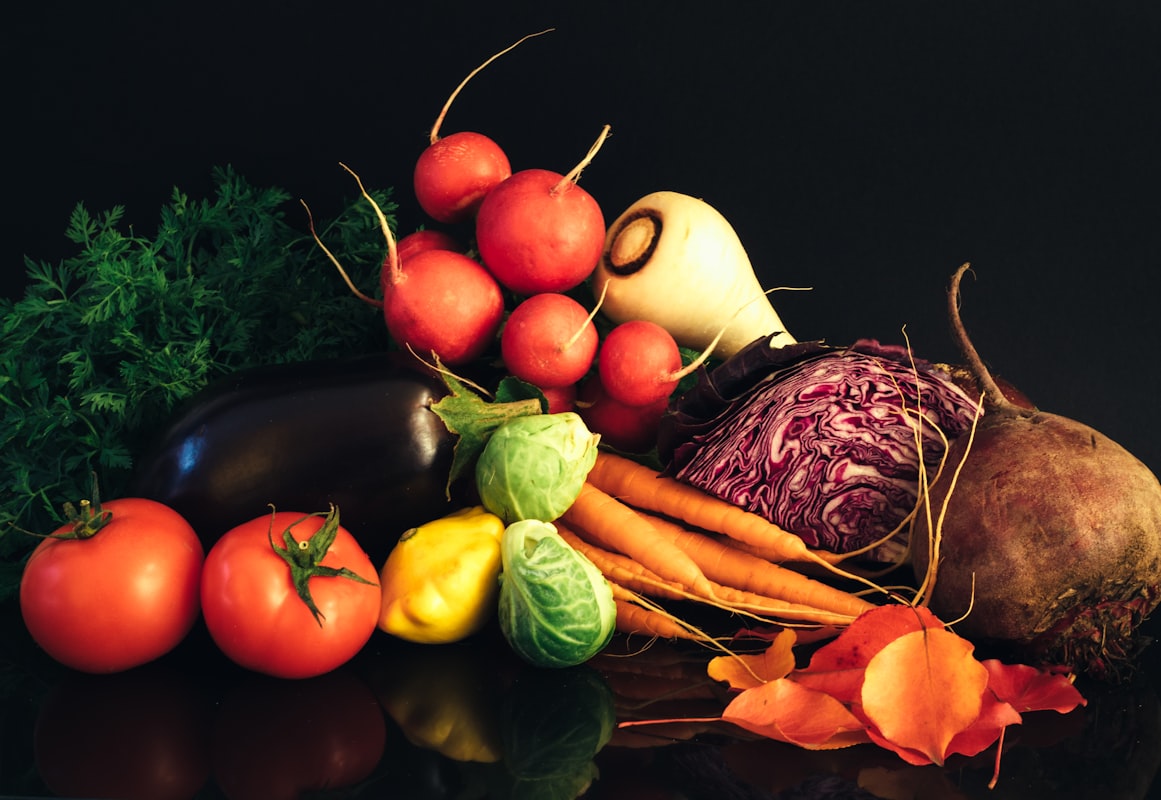
These nutrients work synergistically to support your vision and protect your eyes from age-related changes and environmental stress.
Lutein & Zeaxanthin
These carotenoid pigments concentrate in the macula and lens, filtering harmful blue light and protecting against oxidative damage. Found abundantly in leafy greens like spinach and kale, they form a natural shield for your retina.
Best sources: Spinach, kale, broccoli, collard greens, zucchini
Anthocyanins
Powerful antioxidants found in dark berries that reduce inflammation in the eye and improve blood flow to the retina. They enhance night vision and protect against age-related vision loss by neutralizing free radicals.
Best sources: Blueberries, blackberries, purple grapes, bilberries, acai
Omega-3 Fatty Acids
Essential for retinal development and function, omega-3s reduce dry eye symptoms and support the structural integrity of the retina. They also promote healthy blood vessels that nourish your eyes.
Best sources: Salmon, mackerel, sardines, walnuts, flaxseeds, chia seeds
Zinc
This mineral is crucial for the health of the retina and supports the production of protective enzymes. Zinc deficiency is associated with poor night vision and increased susceptibility to age-related eye changes.
Best sources: Oysters, beef, pumpkin seeds, chickpeas, cashews, dark chocolate
Vitamins C & E
Potent antioxidants that protect the lens and retina from oxidative stress. Together, they neutralize free radicals that accelerate age-related vision loss and support the immune function of eye tissues.
Best sources: Citrus fruits, berries, almonds, sunflower seeds, bell peppers, broccoli
Probiotics & Prebiotics
Beneficial bacteria enhance nutrient absorption in the intestines, ensuring all eye-protective nutrients are utilized effectively. A healthy microbiome also reduces systemic inflammation that can affect vision.
Best sources: Yogurt, kefir, sauerkraut, kimchi, fiber-rich vegetables, whole grains
Eye-Healthy Foods Showcase
Discover nutrient-dense foods that support both your digestive and visual health. These ingredients are featured in healthy nutrition plans recommended by nutritionists.
Leafy Greens
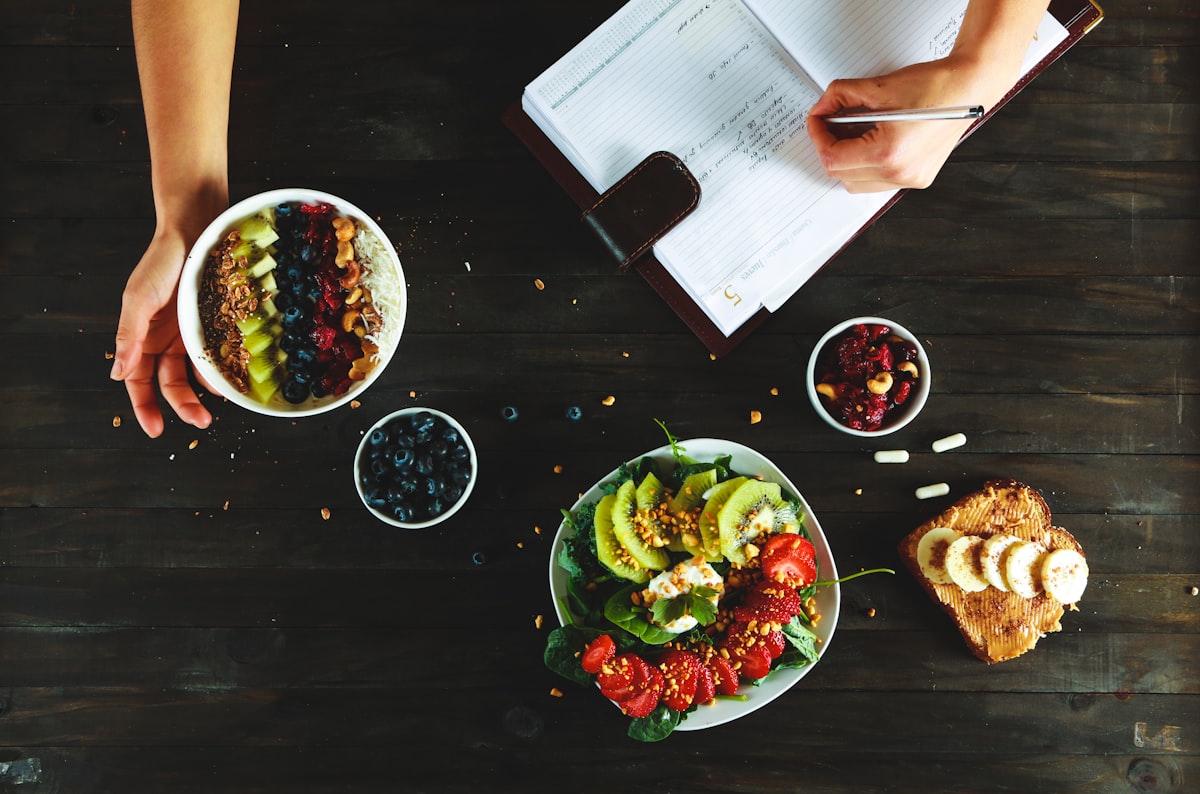
Spinach, kale, and collard greens are nutritional powerhouses loaded with lutein, zeaxanthin, and vitamin C. These vegetables support macular health and protect against age-related vision changes.

Antioxidant Berries
Blueberries, blackberries, and bilberries contain high levels of anthocyanins that reduce inflammation and improve blood flow to the eyes. These nutrient-dense fruits enhance night vision and visual acuity.
Omega-3 Rich Fish
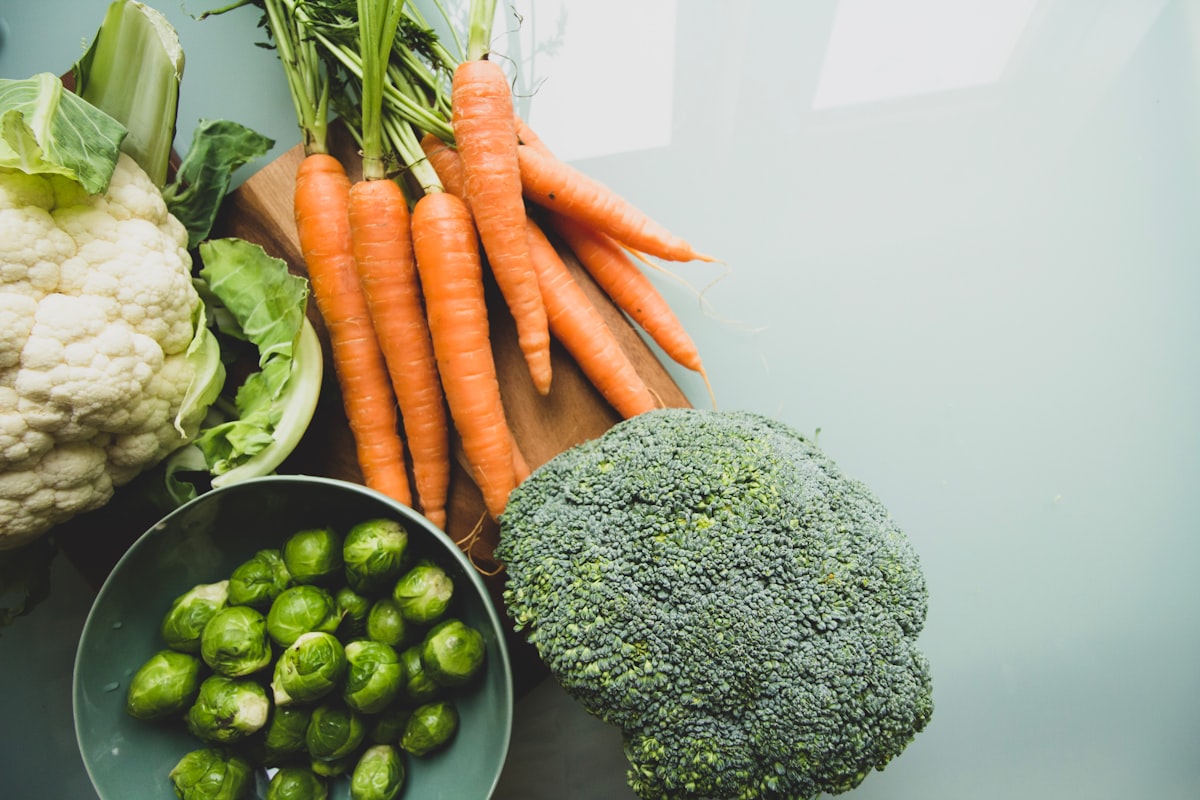
Salmon, mackerel, and sardines provide essential omega-3 fatty acids crucial for retinal development and function. These nutrients support healthy eye structure and reduce inflammation in visual tissues.

Nuts & Seeds
Almonds, pumpkin seeds, and sunflower seeds deliver zinc, vitamin E, and selenium. These nutrients protect the lens and retina while supporting the natural antioxidant defenses of your eyes.
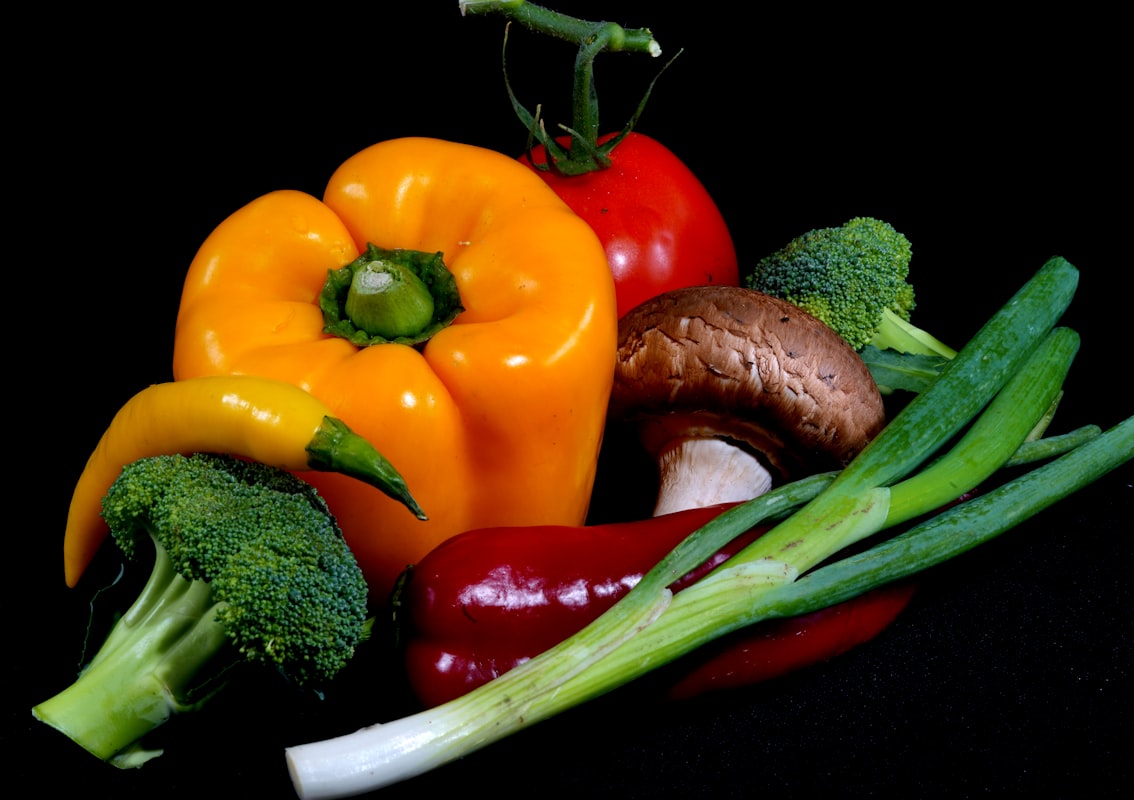
Colorful Vegetables
Bell peppers, carrots, and sweet potatoes offer high concentrations of beta-carotene and vitamin C. These orange and red vegetables strengthen the immune system while protecting eye tissues from oxidative damage.
Probiotic Foods
Yogurt, kefir, sauerkraut, and kimchi contain beneficial bacteria that enhance nutrient absorption in the gut. Improved intestinal health directly supports the efficient uptake of vision-protective nutrients.
How to Build Your Eye-Health Nutrition Plan
Assessment
Evaluate your current eating habits, digestive wellness, and any vision concerns. This baseline helps identify nutritional gaps and opportunities for improvement in your daily nutrition.
Planning
Develop a personalized nutrition strategy that includes eye-protective nutrients and supports your digestive health. Include foods rich in lutein, omega-3s, antioxidants, and probiotics based on your preferences.
Implementation
Gradually integrate recommended foods into your meals. Focus on nutrient density and consistency. Support your gut health with probiotics and adequate fiber for optimal nutrient absorption.
Monitoring
Track your progress and how you feel. Monitor energy levels, digestive wellness, and visual clarity. Adjust your nutrition plan as needed based on your individual response and lifestyle changes.
Common Questions About Eye Nutrition
Vision improvements from enhanced nutrition typically develop gradually over weeks to months, not overnight. The retina has a cell turnover cycle, and nutrients must be consistently available for protective compounds to accumulate in eye tissues. Some people notice improvements in visual clarity and eye comfort within 4-8 weeks, while comprehensive benefits—especially related to long-term eye protection—develop over 3-6 months of consistent nutritional support.
The timeline also depends on your starting point. If you had significant nutritional deficiencies, improvements may be more noticeable. Additionally, supporting your digestive health through probiotics and fiber ensures better nutrient absorption, which can accelerate positive changes.
What Readers Share About Eye Health
"After reading about the connection between gut health and vision, I completely changed my approach to nutrition. I started eating more leafy greens, added fermented foods for probiotics, and my eye strain from computer work has noticeably improved. I feel like I'm actually taking preventive care seriously now."
Sinta Rahman
Jakarta
"I struggled with bloating and digestive discomfort for years. After following Darmgesundheitprobio's guidance on gut health and incorporating their recommended probiotic practices, I experienced significant relief within weeks. My energy levels improved and I finally feel like myself again."
Marco Benedetti
Milan
"As someone who travels frequently, maintaining gut health was impossible—or so I thought. Darmgesundheitprobio's portable solutions and science-backed advice have made it easy to stay consistent. My digestion is now stable even when I'm on the road."
Elena Kowalski
Warsaw
Frequently Asked Questions
What makes Darmgesundheitprobio different from other gut health programs?
Our approach combines personalized nutrition guidance, evidence-based probiotic recommendations, and lifestyle coaching tailored to your unique microbiome profile. We don't offer one-size-fits-all solutions—each plan is customized for maximum effectiveness.
How long before I see results?
Most clients report initial improvements in digestion and energy within 2-3 weeks. However, meaningful changes to your microbiome typically take 8-12 weeks of consistent implementation. Results vary based on individual health status and adherence to the program.
Do I need to take supplements?
While our program emphasizes whole-food sources of probiotics and prebiotics, targeted supplements may be recommended during initial phases to accelerate healing. Our experts will guide you on what's necessary for your specific situation.
Is the program suitable for people with food allergies?
Absolutely. Our nutritionists are experienced in working with various dietary restrictions and allergies. During your consultation, we'll develop an allergy-safe plan that still optimizes your gut health without triggering adverse reactions.
Can children and elderly people benefit from this program?
Yes! Our holistic approach can be adapted for different age groups. We have specific protocols for children, adults, and seniors. A consultation with our team will help determine the most appropriate strategy for your family member's age and health status.
What kind of support do I get after enrollment?
Members receive ongoing email support, access to our resource library, monthly group coaching calls, and a private community forum. Premium members also get one-on-one check-ins to track progress and adjust their plan as needed.
Transform Your Gut Health Today
Join thousands of people who've already discovered the power of a healthy microbiome. Your journey to better digestion, energy, and overall wellness starts with a single step.
We respect your privacy. Unsubscribe anytime.